In short
Most marketing decisions are made on bad data. Here's the modern tracking stack that makes every other decision auditable.
Introduction
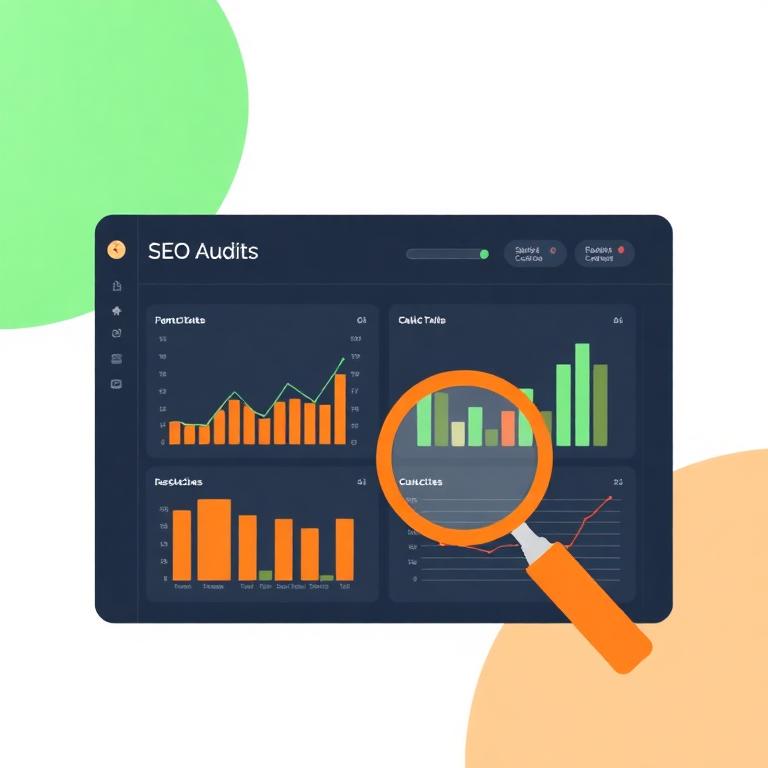
We audit roughly 80 client tracking setups per year. Roughly 95% have at least one critical issue. Roughly 60% have multiple. The most common failures:
-
Pixel events firing client-side only, missing 20–40% of conversions on iOS
-
Form events tracking submission, not qualified form submission
-
Offline conversion import never set up, so Google Ads optimizes for form fills instead of closed deals
-
Cross-domain tracking broken between checkout and confirmation
-
UTM parameters dropped at the third hop
-
GA4 events configured without conversion definitions
The modern tracking stack
Layer 1: Server-side GTM. Hosted on your domain. Receives client-side events, deduplicates, forwards to Google, Meta, LinkedIn, TikTok with the right enrichment.
Layer 2: Event taxonomy. Every conversion has a canonical event name and parameter set. Documented in a tracking plan, not improvised per platform.
Layer 3: CRM integration. Lead → opportunity → closed-won feeds back into ad platforms via offline conversion import. Without this, paid platforms optimize for form fills, not revenue.
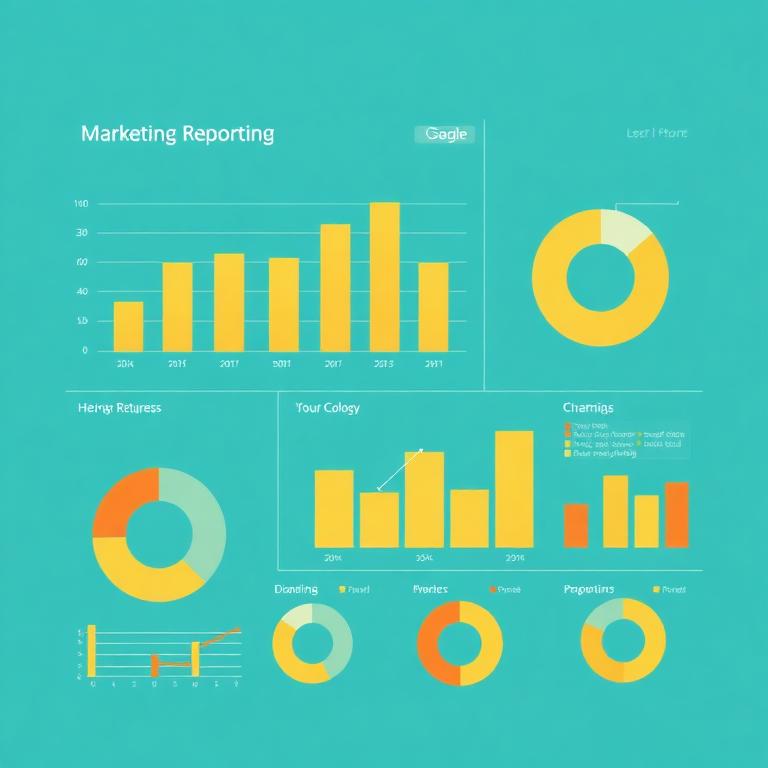
Layer 4: Visualization. Looker Studio or Power BI dashboards pull from GA4, ad platforms and CRM into a single source of truth. Updated daily, accessible to ops, finance and leadership.
Build order
In every engagement, tracking comes first. Days 1–30 are usually:
-
Audit current state
-
Build server-side GTM
-
Implement event taxonomy
-
Connect CRM offline conversion import
-
Build executive dashboard
Then — and only then — do we start optimizing campaigns.
The reason: optimizing toward broken signals burns money. We've seen accounts cut wasted spend by 40% in the first 60 days just from fixing tracking — before changing a single keyword bid.